The Threat of Rodents in Facilities
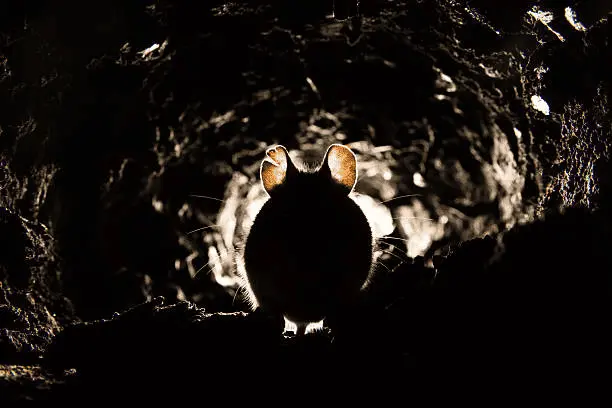
Rodents are among the most destructive and high-risk pests businesses face. Rats and mice chew through wiring, packaging, and structural materials while contaminating food and surfaces with droppings and urine. Their presence creates serious health hazards, sparks employee and customer complaints, and can quickly escalate into failed inspections. LanYap identifies entry points, removes active infestations, and installs preventative measures to keep facilities secure and rodent-free.
Key Risks

Health Hazards
Rodents contaminate surfaces and products with droppings, urine, and parasites that spread disease.

Property Damage
Constant gnawing destroys wiring, insulation, packaging, and structural materials, leading to costly repairs.

Operational Disruption
Nesting in warehouses, kitchens, and utility areas halts workflow and increases maintenance demands.

Compliance Risks
In food, healthcare, and sensitive industries, rodent activity leads to failed inspections, fines, and potential closures.
Signs of Rodent Infestation
-
Droppings and Urine: Rodent droppings are often the first and most obvious sign of activity. Small, dark pellets can be found along baseboards, in cabinets, or near food storage areas. In larger infestations, urine stains and a strong ammonia-like odor become noticeable, signaling active and ongoing presence. These contaminants not only create sanitation issues but also indicate areas of high rodent traffic.
-
Gnaw Marks and Property Damage: Rats and mice constantly chew to keep their teeth from overgrowing. They leave behind gnaw marks on electrical wiring, cardboard packaging, pallets, and even structural wood. Over time, this behavior can cause costly repairs, fire hazards from exposed wires, and loss of stored goods. Fresh bite marks are a clear sign that rodents are still active.
-
Noises and Movement: Employees may hear scratching, squeaking, or scurrying noises inside walls, ceilings, or utility areas—especially at night when rodents are most active. These sounds often indicate hidden nests or travel routes. In severe infestations, movement may even be visible across rafters, pipes, or along floor edges.
-
Nests and Burrows: Rodents build nests from shredded paper, insulation, fabric, or other soft materials. Indoors, these are often tucked away in dark corners, storage rooms, or behind equipment. Outdoors, burrows around foundations, dumpsters, or landscaping show where rodents are entering and exiting the property. Each nest signals an established infestation with breeding potential.
-
Grease Marks and Tracks: Rodents leave behind dark, greasy smears on walls, pipes, and baseboards as they follow the same travel routes repeatedly. In dusty areas, footprints and tail marks may also be visible. These trails highlight the exact pathways rodents are using, making them important clues during inspections.
-
Employee or Customer Sightings: Direct sightings of rats or mice, especially during daylight hours, often mean infestations are large enough to push rodents out of hiding. Reports from staff or customers not only confirm activity but also highlight the reputational risk that comes with visible rodents in a commercial setting.
Schedule Service
Visual Pro
Visual Pro strengthens facility safety and compliance by documenting monitoring stations with photos automatically shared with the customer. This ensures stations are inspected, activity is recorded, and risks are managed in a proactive environment. Facilities gain confidence knowing they remain safe, compliant, and have 100% proof of service & audit readiness.
Get Started

Trusted. Proven. Recommended.
Our reputation is built on delivering outstanding results and unmatched service. Hear from our valued clients about their experiences working with us.
Get a Free Quote
Recommended for you
The LanYap Advantage: Reliable Commercial Pest Control Services

Proactive Pest Management and Compliance: How LanYap Visual Pro Empowers Food-Grade Facilities
The Ultimate Guide to Industrial Pest Control: How We Safeguard Your Facility from Unwanted Intruders