Earwigs: Small Pests With a Big Presence
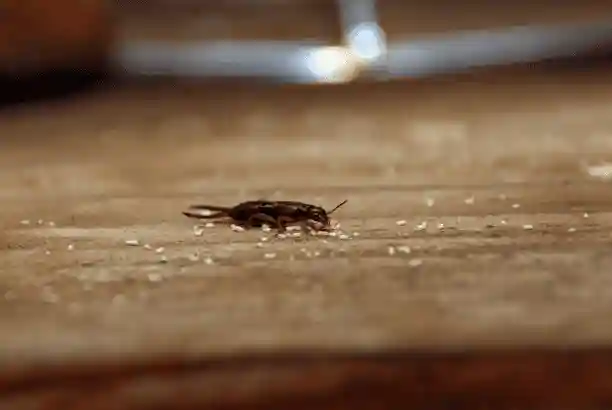
Earwigs are slender insects recognized by the pincers at the end of their bodies. While they don’t spread disease or cause major structural damage, they gather in large numbers around lights, doors, and damp areas, quickly becoming a nuisance for employees and customers. At LanYap, we identify the conditions that attract earwigs and provide targeted control to keep facilities clear and professional.
Key Risks

Customer Impressions
Visible earwigs in lobbies, hallways, or outdoor areas create a negative image.

Moisture Concerns
Infestations signal drainage or humidity problems that can lead to other pests.

Product Contamination
Earwigs crawling into packaging, supplies, or storage areas compromise sanitation standards.

Operational Nuisance
Dead earwigs and droppings accumulate, requiring frequent cleanup and distracting from core work.
Signs of a Earwig Infestation
-
Frequent Sightings: Earwigs are often spotted near doors, baseboards, and damp corners. Seeing them during the day usually signals a larger population hiding in cracks and crevices.
-
Congregations Around Lights: Drawn to outdoor lighting, earwigs gather in clusters around entryways, windows, and walls at night, making them highly visible to employees and visitors.
-
Dead Earwigs Indoors: Accumulations of dead earwigs near thresholds, restrooms, or utility rooms are a common indicator of ongoing activity and hidden breeding sites.
-
Moisture Activity: Earwigs thrive in wet environments. Finding them near drains, leaky pipes, or areas with poor ventilation often reveals underlying moisture issues that sustain infestations.
-
Damage to Stored Goods: In some cases, earwigs chew soft materials like paper, cardboard, or packaging, leaving behind ragged edges and contamination that staff may notice in storage areas.
Schedule Service
Visual Pro
Visual Pro strengthens facility safety and compliance by documenting monitoring stations with photos automatically shared with the customer. This ensures stations are inspected, activity is recorded, and risks are managed in a proactive environment. Facilities gain confidence knowing they remain safe, compliant, and have 100% proof of service & audit readiness.
Get Started

Trusted. Proven. Recommended.
Our reputation is built on delivering outstanding results and unmatched service. Hear from our valued clients about their experiences working with us.
Get a Free Quote
Recommended for you
The LanYap Advantage: Reliable Commercial Pest Control Services

Proactive Pest Management and Compliance: How LanYap Visual Pro Empowers Food-Grade Facilities
The Ultimate Guide to Industrial Pest Control: How We Safeguard Your Facility from Unwanted Intruders