Hidden Crawlers in Your Facility
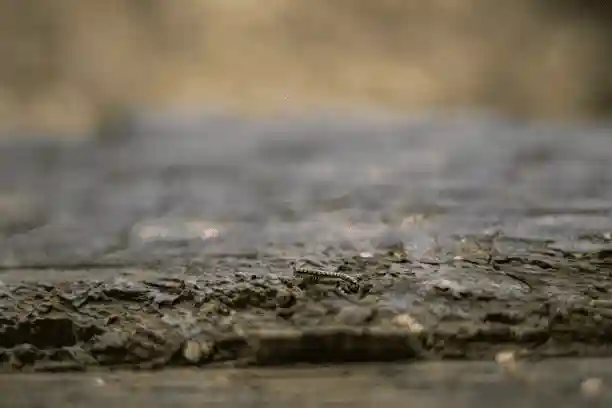
Centipedes and millipedes thrive in damp areas around buildings. At LanYap, we know they don’t damage structures but they create sanitation concerns, unsettle employees, and disrupt workflow. After rains, millipedes invade in large numbers while centipedes slip indoors. LanYap targets the moisture sources and applies precise treatments to keep your facility pest-free and audit-ready.
Key Risks

Sanitation Concerns
Large numbers crawling indoors alarm employees and visitors.

Operational Disruption
Infestations around equipment and walkways interrupt workflow.

Moisture Issues
Presence often signals leaks or drainage problems that threaten compliance.

Audit Failures
Visible activity in sensitive areas can trigger citations during inspections.
Signs of a Infestation
- Frequent Sightings Indoors:
Centipedes are fast movers and are often noticed darting along walls, baseboards, and floor drains. While many people think an occasional centipede is nothing to worry about, seeing even a few inside a facility usually means a larger population is hiding in damp, dark spaces such as crawl spaces, basements, or utility rooms. Their ability to stay hidden until populations build up makes frequent sightings a strong indicator of an active infestation that needs professional control. - Swarms After Heavy Rain:
Millipedes are notorious for migrating in mass numbers during wet weather. After storms, they can be seen crawling across sidewalks, loading docks, entryways, and building foundations in overwhelming swarms. For commercial and industrial properties, these events not only disrupt normal operations but also leave behind unsanitary conditions that are difficult to clean without targeted treatments. Repeated swarms are a clear sign that exterior populations have grown large enough to spill onto the property. - Accumulations of Dead Pests:
Even when centipedes and millipedes aren’t actively crawling, they leave evidence behind. Piles of dried or crushed millipede bodies often collect near exterior doors, along warehouse walls, and inside mechanical or utility rooms. These accumulations are not just unpleasant for staff and visitors—they confirm that infestations are recurring and will continue without intervention. Ongoing cleanup costs and repeated employee complaints are common when infestations reach this stage. - Moisture Hotspots:
Both centipedes and millipedes thrive in moist environments. Leaking pipes, clogged drains, poor soil grading, or standing water around a facility all create the perfect breeding conditions for these pests. Without addressing the underlying moisture issues, infestations will return even after temporary removal. For commercial facilities, this means the pest problem is often tied directly to broader maintenance and site condition challenges that require both treatment and correction.
Schedule Service
Visual Pro
Visual Pro strengthens facility safety and compliance by documenting monitoring stations with photos automatically shared with the customer. This ensures stations are inspected, activity is recorded, and risks are managed in a proactive environment. Facilities gain confidence knowing they remain safe, compliant, and have 100% proof of service & audit readiness.
Get Started

Trusted. Proven. Recommended.
Our reputation is built on delivering outstanding results and unmatched service. Hear from our valued clients about their experiences working with us.
Get a Free Quote
Recommended for you
The LanYap Advantage: Reliable Commercial Pest Control Services

Proactive Pest Management and Compliance: How LanYap Visual Pro Empowers Food-Grade Facilities
The Ultimate Guide to Industrial Pest Control: How We Safeguard Your Facility from Unwanted Intruders