Managing Bird Pressure on Your Property
Birds such as pigeons, starlings, and sparrows cause serious problems for commercial facilities. Their droppings corrode metal, stain buildings, and create slippery, unsanitary conditions. They damage inventory, foul equipment, and spread disease organisms that put employees and customers at risk. At LanYap, control goes beyond deterrents—we apply repellents, baiting programs, and direct population reduction when needed to keep sites clear and compliant.
Key Risks

Health Hazards
Droppings spread bacteria and disease, creating liability for facilities.

Property Damage
Acidic waste corrodes metal, stains walls, and damages roofing materials.

Operational Disruption
Nesting in signage, rafters, or equipment interferes with normal operations.

Reputation Impact
Visible flocks and droppings make facilities look unclean and poorly maintained.
Common Bird Types
-
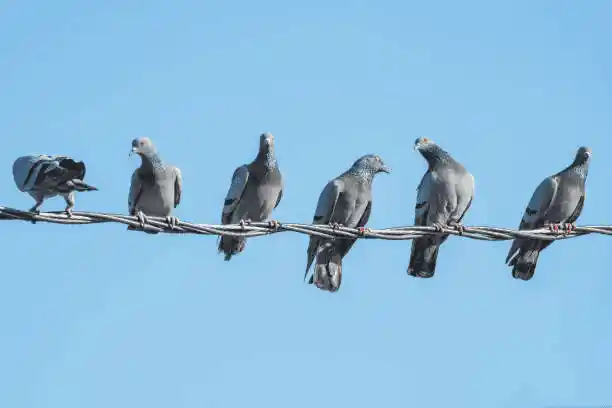
Pigeons: Pigeons are one of the most persistent pest birds for businesses. They roost on ledges, rooftops, signage, and warehouse beams, leaving behind large amounts of droppings that corrode metal, stain concrete, and spread more than 60 known diseases. Their nests, often built from debris, can block gutters, ventilation systems, and rooftop drains, leading to water damage and expensive repairs. Pigeons breed year-round, so once they establish a site, populations grow quickly and require professional control.
-
Starlings: These aggressive, flocking birds often appear in groups of hundreds or even thousands. Starlings squeeze into small gaps to nest inside vents, signage, and wall voids, creating fire hazards and structural issues. Their droppings accumulate in large quantities, contaminating surfaces, fouling the air with odor, and creating slippery conditions on sidewalks and loading docks. Because they displace other birds and overwhelm facilities in such large numbers, starlings are a major concern for warehouses, plants, and retail centers.
-
Sparrows: Small but highly destructive, sparrows nest in cracks, structural cavities, and open warehouse rafters. They build nests from straw, string, and debris, which can block machinery, signage, and HVAC systems. Sparrows contaminate stored goods with droppings, feathers, and nesting materials, often resulting in lost product or failed inspections. Their adaptability makes them especially difficult to control without a targeted bird management program.
-
Seagulls: Common in coastal and industrial regions, seagulls congregate in massive flocks around rooftops, landfills, dumpsters, and parking lots. Their constant noise and aggressive behavior around food waste create daily disruptions for employees and customers. Large amounts of acidic droppings damage roofing membranes, corrode metal structures, and create hazardous walking surfaces. Their sheer numbers and territorial behavior make gulls one of the most challenging birds to manage.
-
Grackles: Widespread across Texas, grackles gather in large flocks around shopping centers, parking lots, and food courts. Their loud calls and aggressive behavior create nuisance problems for employees and customers alike. Droppings stain walkways, signage, and vehicles, while nesting materials clog gutters and damage building exteriors. Grackles are highly adaptable and thrive anywhere food and water are available, making them a recurring pest for commercial sites.
Schedule Service
Visual Pro
Visual Pro strengthens facility safety and compliance by documenting monitoring stations with photos automatically shared with the customer. This ensures stations are inspected, activity is recorded, and risks are managed in a proactive environment. Facilities gain confidence knowing they remain safe, compliant, and have 100% proof of service & audit readiness.
Get Started
Trusted. Proven. Recommended.
Our reputation is built on delivering outstanding results and unmatched service. Hear from our valued clients about their experiences working with us.
Get a Free Quote
Recommended for you
The LanYap Advantage: Reliable Commercial Pest Control Services
Proactive Pest Management and Compliance: How LanYap Visual Pro Empowers Food-Grade Facilities
The Ultimate Guide to Industrial Pest Control: How We Safeguard Your Facility from Unwanted Intruders