The Antagonists: Understanding Ants
Ants aren’t as simple as they look. What works on one colony may fail on another, since each species responds to different treatments. At LanYap, we don’t rely on guesswork—we identify the species, analyze the infestation, and apply the right strategy to eliminate the problem at its source.
Key Risks

Rapid Infestation
Colonies multiply quickly and can overrun structures before you notice.

Contamination
Ants invade kitchens, warehouses, and facilities, spoiling products as they scavenge for their queen.

Disease Transmission
Moving from outdoors to indoors, ants can track bacteria and pathogens onto surfaces.

Structural & Electrical Damage
Certain species, like carpenter and crazy ants, weaken wood and invade wiring, causing costly repairs.
Common Ant Types
- Fire ants: Fire ants are aggressive, reddish-brown ants that build large mounds in soil and open areas. When disturbed, they swarm rapidly and deliver painful stings that can cause serious reactions. Their colonies can number in the hundreds of thousands, making them one of the most challenging ant species to control.
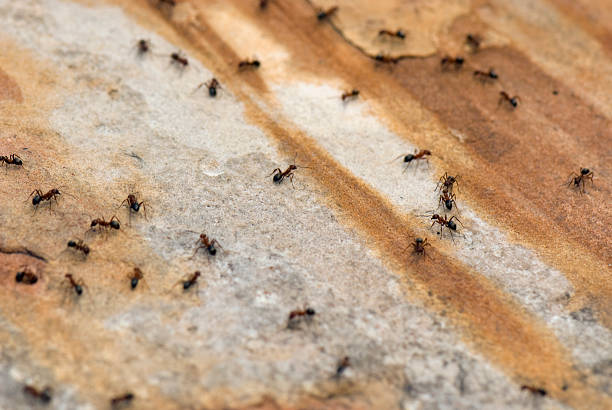
- Little black ants: These tiny ants form long, visible trails as they forage for food. They are highly adaptable, nesting in soil, under rocks, or inside walls and baseboards. Though small in size, their colonies can grow large, and once established indoors, they can be very persistent.
- Carpenter ants: Carpenter ants are among the largest ant species. They excavate wood to create their nests, hollowing out galleries that weaken structural timbers over time. While they don’t consume wood like termites, their nesting activity can cause significant property damage if left untreated.
- Crazy ants: Named for their fast, erratic movement, crazy ants invade in overwhelming numbers. They nest in soil, mulch, and voids but are especially notorious for invading electrical boxes and wiring. Their tendency to short out equipment makes them both a nuisance and an economic risk.
- Ghost ants: Ghost ants are very small, with pale-colored abdomens that make them difficult to see. They prefer sweet foods and often invade kitchens and bathrooms in search of moisture. Their colonies are highly mobile and split easily into multiple nests, which makes control difficult without professional treatment.
- Pharaoh ants: Pharaoh ants are tiny yellow ants that thrive in warm, humid environments. They are highly adaptable and capable of spreading through wall voids, plumbing lines, and wiring. Colonies are difficult to eliminate because they tend to split into multiple satellite nests when threatened.
Schedule Service
Visual Pro
Visual Pro strengthens facility safety and compliance by documenting monitoring stations with photos automatically shared with the customer. This ensures stations are inspected, activity is recorded, and risks are managed in a proactive environment. Facilities gain confidence knowing they remain safe, compliant, and have 100% proof of service & audit readiness.
Get Started

Trusted. Proven. Recommended.
Our reputation is built on delivering outstanding results and unmatched service. Hear from our valued clients about their experiences working with us.
Get a Free Quote
Recommended for you
The LanYap Advantage: Reliable Commercial Pest Control Services

Proactive Pest Management and Compliance: How LanYap Visual Pro Empowers Food-Grade Facilities

The Ultimate Guide to Industrial Pest Control: How We Safeguard Your Facility from Unwanted Intruders