Understanding Caterpillars
Caterpillars may seem harmless, but they create costly problems for facilities. Some species strip turf and trees, while others sting employees and disrupt workflow. LanYap delivers control that protects both your property and your people.
Key Risks

Worker Safety
Stinging caterpillars cause painful reactions that can send employees for medical treatment.

Operational Disruption
Caterpillars drop onto equipment and walkways, interrupting outdoor work.

Vegetation Loss
Armyworms and webworms strip grass and trees, damaging facility grounds.

Reputation Impact
Visible webs and infestations create negative impressions of site maintenance.
Common Caterpillar Types
Armyworms: These caterpillars move and feed in large groups, stripping turf and vegetation around facilities in a matter of days. Heavy outbreaks leave brown, bare patches and weaken grounds, creating poor site conditions and swarms of adult moths later in the season.
Webworms: Known for spinning large silk webs in trees and shrubs, webworms defoliate branches and create unsightly nests. When webs break open, the caterpillars drop onto walkways, equipment, and outdoor work areas, disrupting employees and causing sanitation concerns.
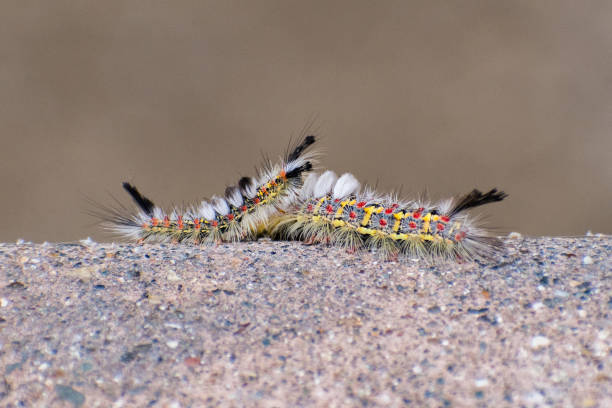
White-Marked Tussock Moth Caterpillars: Easily identified by their red spots, white tufts, and black pencil-like hairs, these caterpillars cause painful skin irritation when touched. They commonly appear on trees near industrial units and can fall onto people or property, creating both safety issues and workflow disruptions.
Schedule Service
Visual Pro
Visual Pro strengthens facility safety and compliance by documenting monitoring stations with photos automatically shared with the customer. This ensures stations are inspected, activity is recorded, and risks are managed in a proactive environment. Facilities gain confidence knowing they remain safe, compliant, and have 100% proof of service & audit readiness.
Get Started

Trusted. Proven. Recommended.
Our reputation is built on delivering outstanding results and unmatched service. Hear from our valued clients about their experiences working with us.
Get a Free Quote
Recommended for you
The LanYap Advantage: Reliable Commercial Pest Control Services

Proactive Pest Management and Compliance: How LanYap Visual Pro Empowers Food-Grade Facilities

The Ultimate Guide to Industrial Pest Control: How We Safeguard Your Facility from Unwanted Intruders